
of chronic pain patients report meaningful reliefafter just four targeted sessions
American Massage Therapy Association Clinical Outcomes Study, 2024 · n = 1,847 participants
The frozen shoulder has a name.
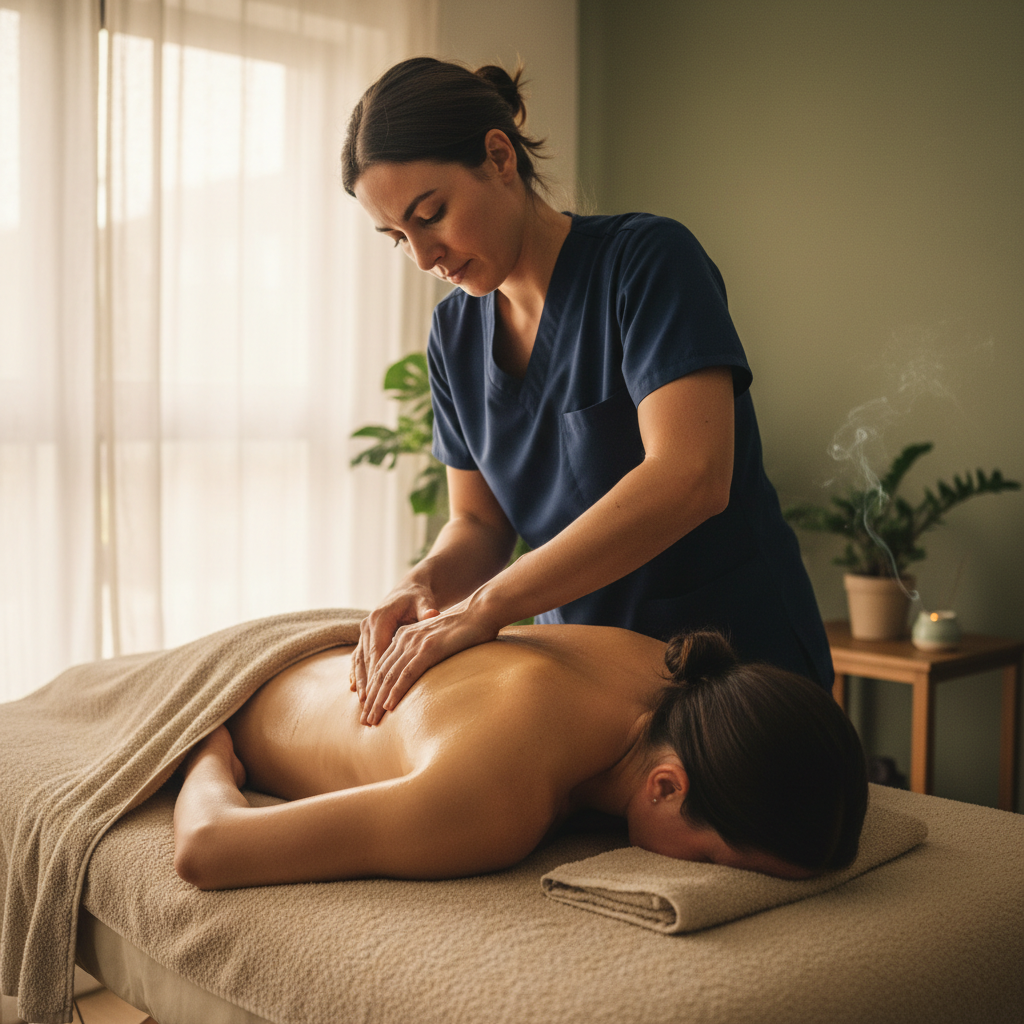
Desk hours compress the pectoral minor and lock the scapula. Deep tissue work targets the specific adhesions that form between muscle layers — not a general rubdown, but precise, methodical release of the fascia that's been accumulating tension since your last standing-desk reminder went ignored.
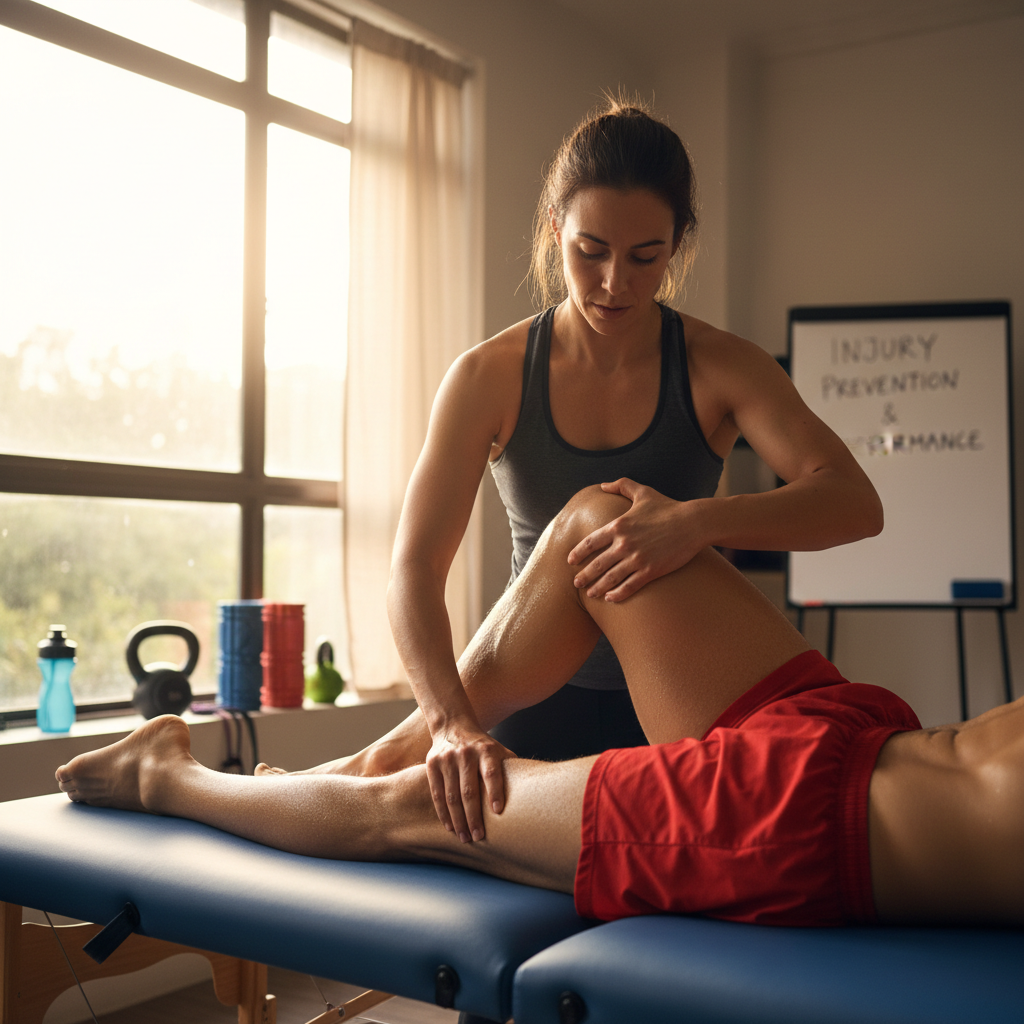
PR days are built between runs.
Sports massage in the 24–48 hour window after a long run clears lactate, reduces micro-tear inflammation, and restores full range of motion before the next training block. Structured around your race calendar, not a generic "relaxation" appointment.
That knot behind your shoulder blade has a referral pattern.
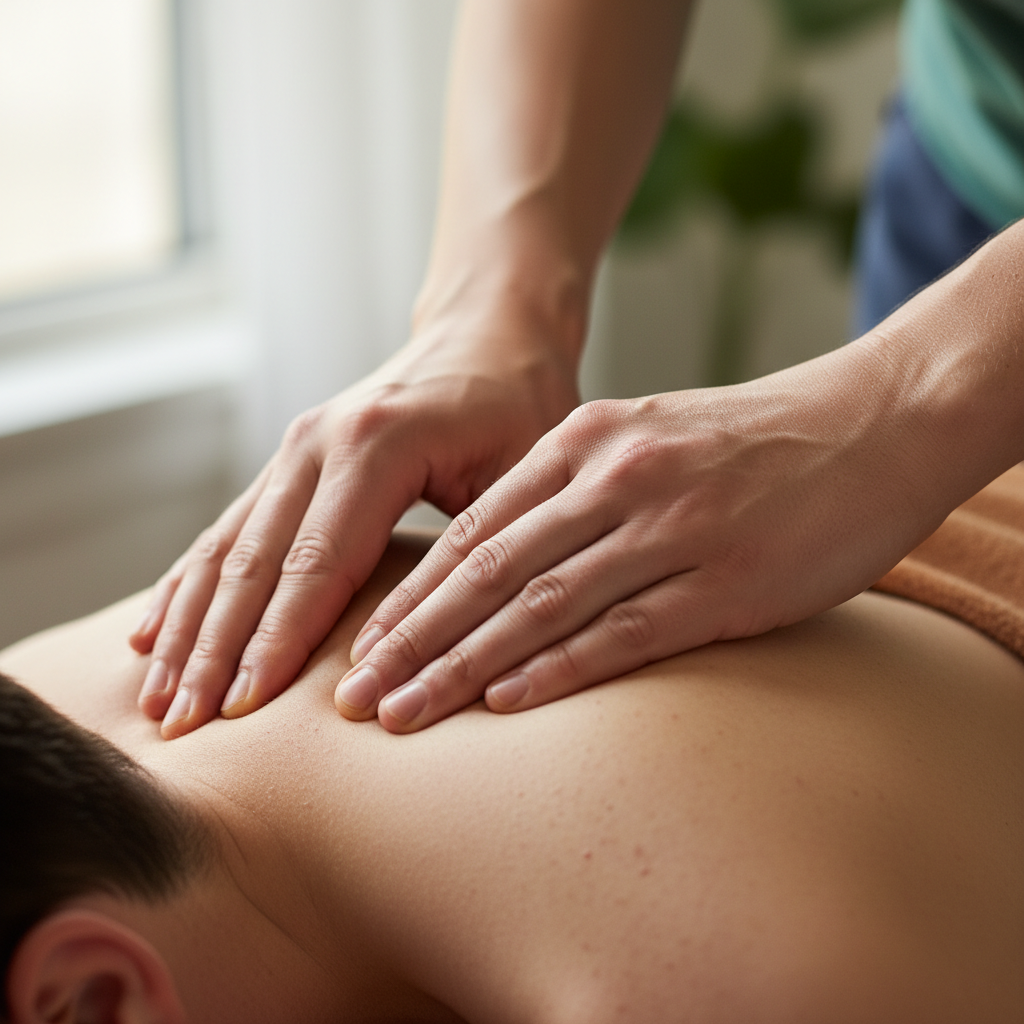
Trigger point therapy maps the specific pressure points that send pain elsewhere — the sub-occipital that creates your "tension headache," the infraspinatus that makes your elbow ache. Sustained compression releases the contraction cycle, not just the symptom.

About the Practice
Trained to find what imaging misses.
Twelve years of solo practice means I've worked the same shoulder presentation a thousand times. I trained under physical therapists and sports medicine physicians before opening Knead, and I continue studying under the National Academy of Sports Medicine. Every session is assessed, not assumed — intake notes, range-of-motion testing, and a clear treatment plan before hands touch skin.
- Oregon State Licensed Massage Therapist #MT-28841
- NCBTMB National Board Certified
- NASM Corrective Exercise Specialist
- Sports Massage Certification — AMTA
- Continuing Education: 24 hrs annually
Not because I ask clients to rebook. Because they feel the difference after session one and want to continue the work.
What happens in the room.
Intake & Assessment
Ten minutes of structured questions and range-of-motion testing. I need to know where it hurts, when it started, and what makes it worse — not to fill a form, but to build a treatment map.
Targeted Bodywork
The session follows the assessment findings, not a fixed routine. Pressure adapts in real time. You'll feel the difference between a knot releasing and tissue being pushed past its threshold.
Home Protocol
You leave with a specific self-care protocol — one or two techniques from the Recovery Guide applied to your exact presentation. The work continues between sessions.

Three people. Three different kinds of pain.
Same result.
I've had a frozen right shoulder for three years. Two sessions in, I could reach the top shelf again. Session four, I filed a claim with my insurer for the full series because it was cheaper than the cortisone injections that hadn't worked.

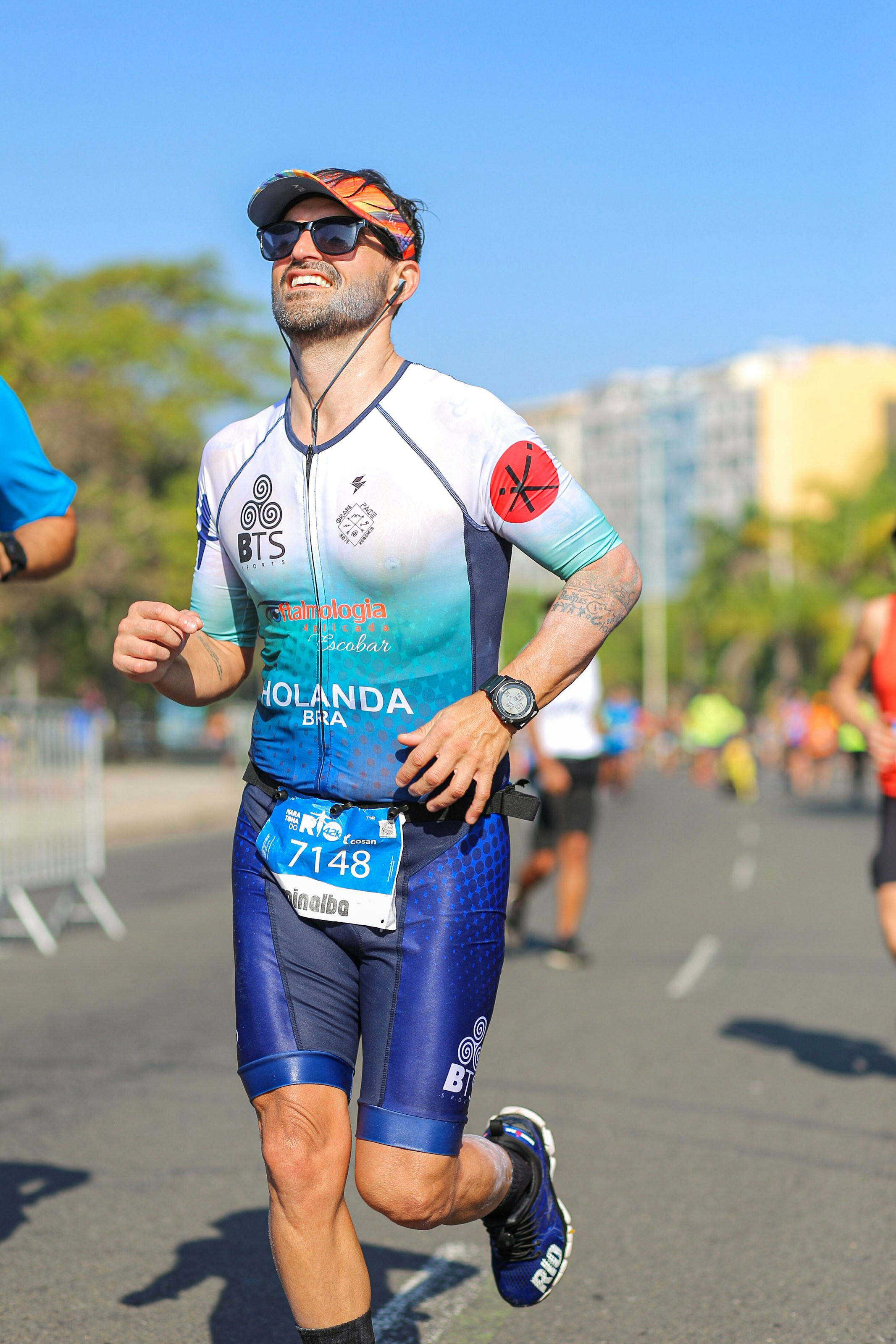
I run Boston qualifiers. The 48-hour window after my long runs used to mean limping around Monday. Now I come in Sunday afternoon and I'm back to full stride by Tuesday. My coach noticed before I had to explain anything.
I manage 22 people and a building. I hadn't taken a full breath in four months — I thought that was just what stress felt like. After the first session I cried in my car for ten minutes. Not from pain. From relief. I rebooked before I left the parking lot.

The Recovery Guide —
what to do between sessions.
A 14-page PDF covering self-massage techniques for the three most common presentations I see: frozen shoulder, IT band syndrome, and suboccipital tension. Not generic stretches — specific protocols with anatomical landmarks, pressure guidelines, and timing.
- Frozen shoulder self-release: 3 techniques, 8 minutes
- IT band and hip flexor protocol for post-run recovery
- Suboccipital release for tension headaches
- When to apply heat vs. cold (and why it matters)
- Signs that self-massage isn't enough
No spam. No sequence. One email with your PDF. Unsubscribe any time.
Get the guide — free.
Instant PDF download. No account required.